
What is Data Science?
“Data science” is one of those terms that you’ve been hearing for years.
“Data science” is one of those terms that you’ve been hearing for years.

“Data science” is one of those terms that you’ve been hearing for years. You know it’s supposed to help your business, but how exactly? And what does it actually entail?
It’s easy to look up a definition of data science, but like so many other technology terms, you’ll get loads of conflicting or unclear information. Let’s simplify it this way: Data science is a set of methodologies that take in available data and use it to draw meaningful conclusions.
Generally speaking, your company data can:
– Describe the current state of your organization and processes
– Detect unusual or unexpected events
– Determine cause and effect relationships within complex events, such as supply chain optimization
– Predict future events and outcomes
So what does a typical data science workflow look like?
First, you collect data from a variety of sources, such as web analytics, customer surveys, social media likes, abandoned cart stats, financial transactions, and churn rates.
Next, you explore and visualize the data. For example, you could create dashboards to examine how data changes over time, or you could compare two or more sets of data.

Finally, you make predictions based on the data. This could be something like determining which products customers are most likely to buy (which in turn helps you make decisions about advertising and product placement).
Of course, this is greatly simplified, but if you’re just entering the world of data analysis, this quick overview is a good starting point. You can leave the minutiae to your data science team.
While data teams vary in number and responsibilities, a typical team might consist of a data engineer, a data analyst, and a machine learning scientist.
Data engineers are in charge of the flow of information. They build data storage solutions and ensure that the data is easily accessible and processed.
Data analysts describe the current state of business affairs through data. They do so using hypothesis testing, dashboards, and data visualization. They often draw insights from company data stored in Excel, and they use SQL for larger-scale analysis.
Whereas data engineers build and configure storage solutions, analysts use existing databases to explore and analyze data. Analysts also use business intelligence tools such as Power BI to build dashboards and share their discoveries with others. Machine learning scientists create models and algorithms to predict what is likely to be true in the future. For example, machine learning can predict how much a stock might be worth next week, which product will be most in demand, or which supply chain route will be the least expensive and most efficient on a given day. Machine learning can also be used to “predict” which images have a specific element, or how consumers are feeling based on an analysis of social media comments.
To summarize, data engineers store and maintain data, data analysts visualize and describe data, and machine learning scientists model data to make predictions.
Whether these positions are fulfilled by one person wearing multiple hats, or by a team of dozens, each distinct function is necessary for a full data initiative.
Some companies choose to hire internally, while others seek outside consultants. The right choice for you depends on the scope of your data initiative and your goals for analysis.
One application of machine learning is identification of elements in photos. This could be used in analysis of insurance claims, for example.

One of our clients, the world’s leading renewable energy provider, was concerned about inefficiencies in their US supply chain. With multiple factors such as weather, warehouse taxes, fuel costs, exchange rates, and vendor pricing, they struggled to effectively manage the logistics of shipping and installing their 40,000 wind turbines each year.
Using data the company already owned, we tracked each supply chain factor, then created a machine learning algorithm to analyze each element in real time. This allows the company to easily identify the best routes, and make quick adjustments to items already in transit.
As a result of our work together, the company now saves between $650K and $1 million per project, with a total savings of over $3 million in the first 18 months of implementation. You can read the full case study here.
Maybe your company is a little smaller than the example above, but you can still realize huge cost savings and increased productivity through data science.
What would a 10% reduction in costs mean for you? What if you could predict what your customers want to buy next month? What if you could fulfill orders more quickly? Reliably detect fraud? The applications are endless. Whatever it is you want to know about your business, data science can probably answer.
If you’d like to dip your toes into data science without breaking the bank, check out our Insight Snapshot service. In just 5 days, we’ll tell you exactly what your data has to say, and how you can use it to achieve your goals.
October 14, 2026
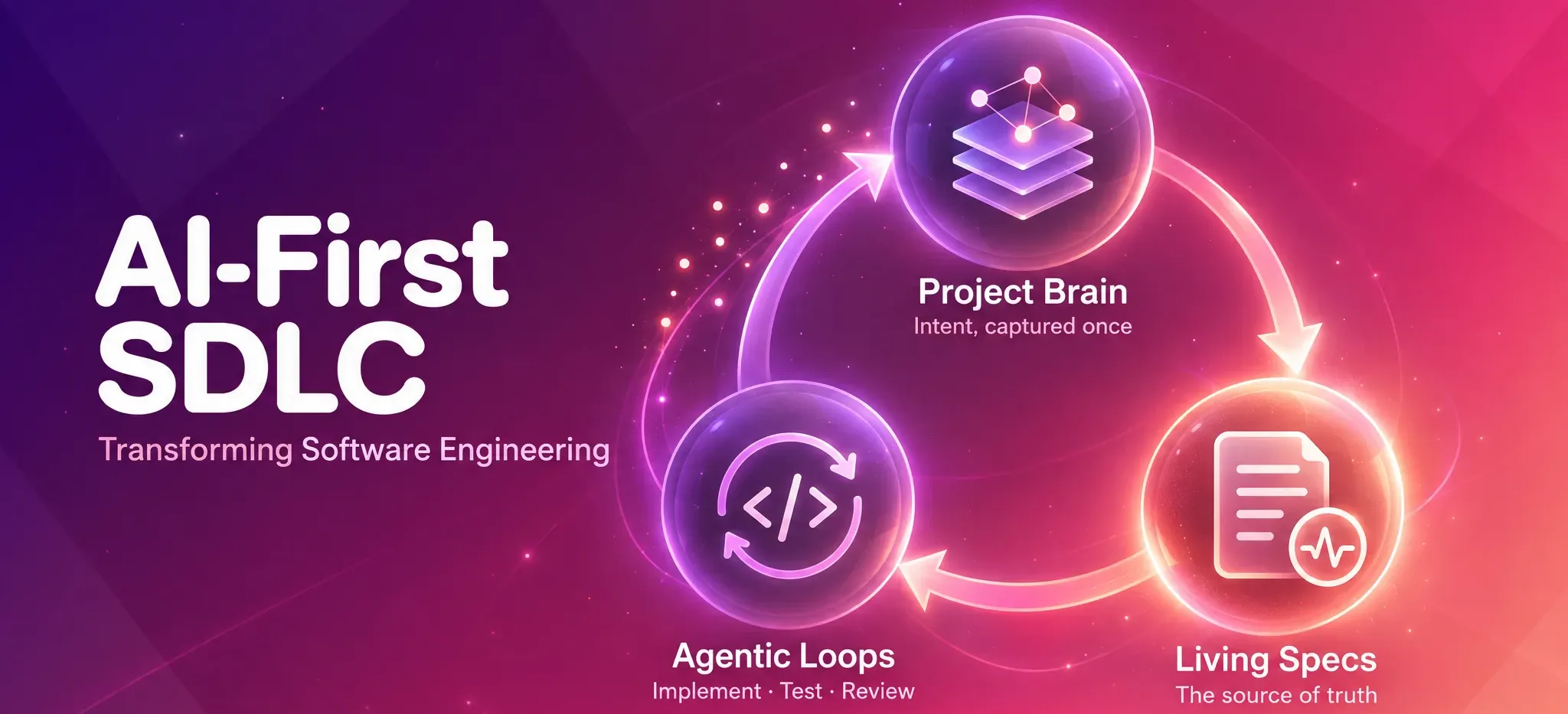
Software engineering stopped being about writing code. It became about managing context.
Read article
July 20, 2026
Every week I filter roughly 15 AI newsletters down to what matters for production teams.
Read article
July 13, 2026
This week had one theme: fracture. Three frontier labs shipped models in 72 hours.
Read article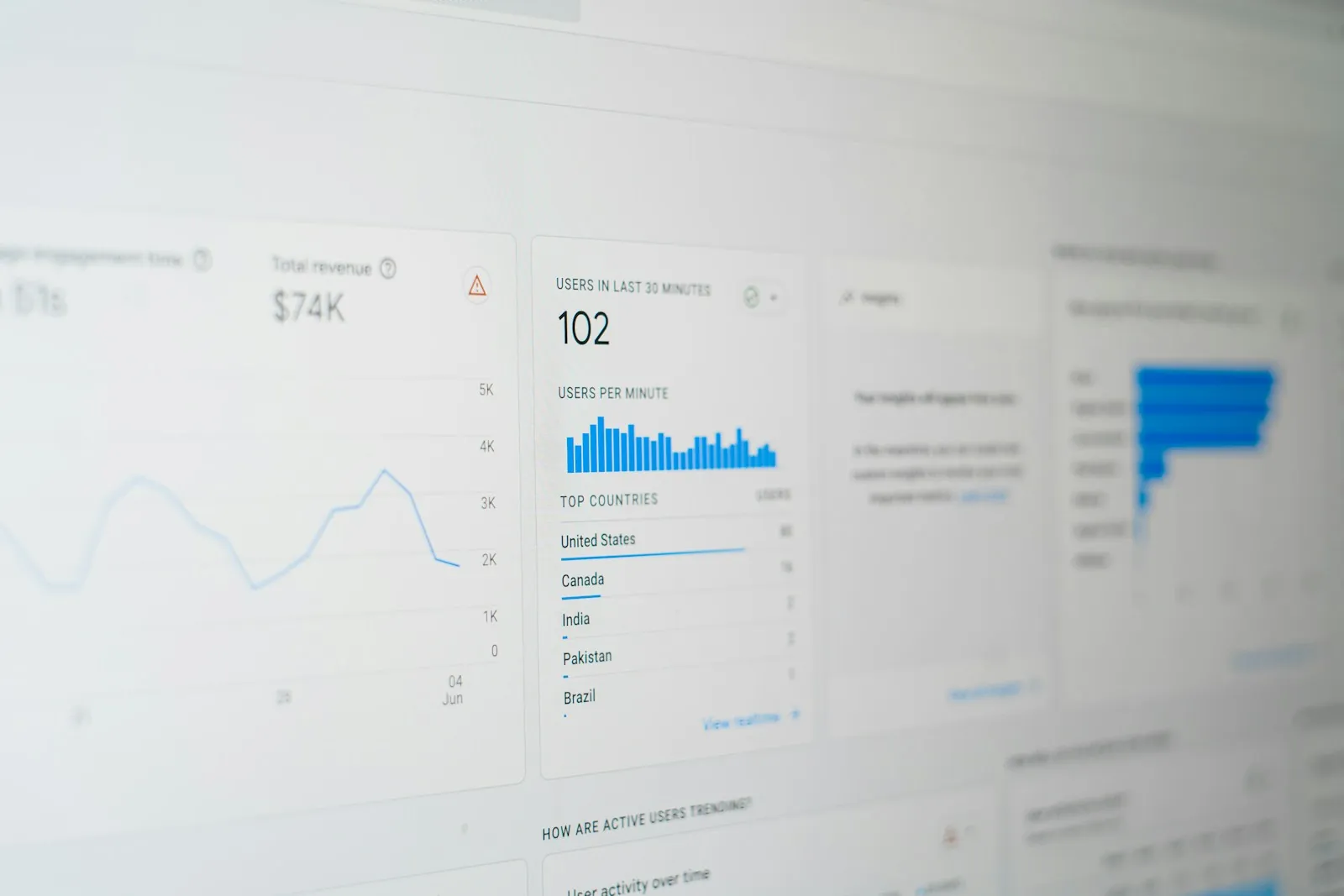
July 7, 2026
Eighteen days without a frontier model is a long time when your production systems depend on it.
Read article
July 1, 2026
This was the week everyone stopped fighting over AI intelligence and started fighting over AI control.
Read article
June 22, 2026
This was the week the platforms stopped talking about AI and shipped infrastructure for it.
Read article
June 15, 2026
This week had one theme: the sovereignty fracture.
Read article