
AI Adoption in Software Development: Proven Strategies to Transform Resistant Teams into AI Champions
When we first introduced AI tools to our software development team, we didn’t receive the expected reaction.
When we first introduced AI tools to our software development team, we didn’t receive the expected reaction.
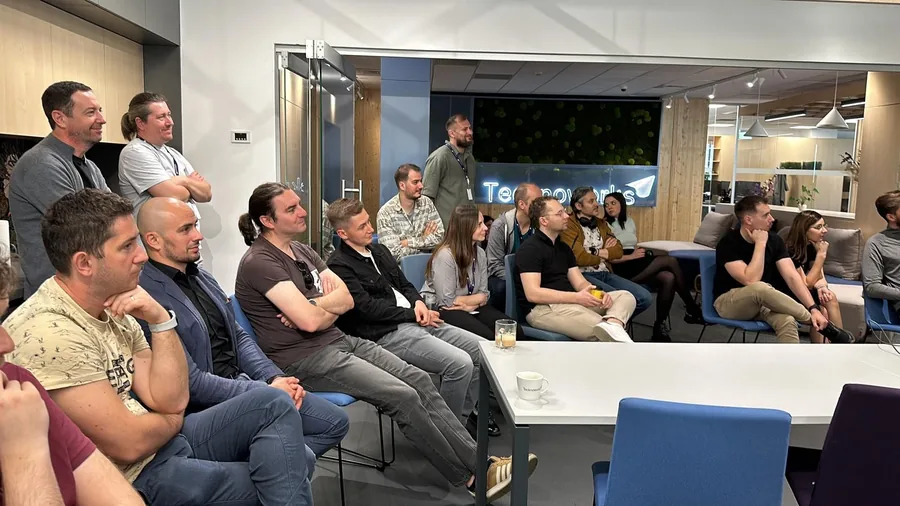
When we first introduced AI tools to our software development team, we didn’t receive the expected reaction. Instead of excitement, we encountered resistance. Our talented engineers weren’t opposed to innovation; they were genuinely concerned about their future in an AI-driven world.
“If AI can write code, fix bugs, and automate tasks, what happens to our jobs?” This question made us think, and we quickly recognized that we weren’t just adopting AI; we were also changing the way our engineers work.
We were already aware of the resistance to AI adoption in software development. Throughout the history of technology, we have seen similar responses to transformative innovations. Whether it was the adoption of agile development methodologies, migrating to cloud computing infrastructure, or introducing new programming languages, the same pattern emerged: initial skepticism gave way to experimentation, which ultimately led to transformation.
Our experience with AI integration for development teams follows this predictable emotional journey:
Rather than forcing adoption or dismissing concerns, we developed a strategy that prioritizes our team’s growth alongside technological advancement. Here’s how we made AI implementation successful for our development team:
We invested heavily in training our software engineers to work effectively with AI coding assistants. Instead of viewing these tools as replacements, we positioned them as powerful collaborators. Our approach to AI training for developers included:
• Hands-on workshops with popular AI coding tools
• Best practices for prompt engineering
• Code review sessions incorporating AI-generated content
• Pair programming exercises combining human creativity with AI efficiency
The most crucial element of our AI implementation wasn’t technical but psychological. We helped our team understand that this transition mirrors historical technological shifts.
Just as accountants didn’t disappear when spreadsheet software emerged, software engineers are becoming more strategic and impactful with AI as their assistant.
Our change management approach emphasized:
• Team discussions on AI’s role in software development
• Success stories from early adopters
• Clear communication about job security and career growth
• Recognition for engineers who embraced AI tools
One of the most significant benefits we discovered was how AI freed our engineers to focus on higher-level work. While AI excels at generating code for well-defined problems, our human engineers remain irreplaceable when it comes to:
• Understanding complex business requirements
• Designing holistic system architectures
• Making strategic technical decisions
• Solving ambiguous, non-linear problems
Our developers now spend more time on architectural decisions and creative problem-solving, and less time on repetitive implementation details.
Today, the engineers who initially resisted our AI adoption in software development are among its most enthusiastic advocates. They’ve discovered that AI handles the mundane aspects of coding they never particularly enjoyed, liberating them to focus on:
• Creative architecture and design
• Innovation and experimentation
• The human elements of software development that machines cannot replicate
• Strategic problem-solving and system optimization
To ensure our AI implementation strategy was effective, we tracked several key metrics:
from AI-assisted development
on routine coding tasks
Employee satisfaction scores
new features developed and architectural improvements
as engineers master AI tools.
Integrating AI tools into our development workflow has been transformative, but we’re only at the beginning of this journey.
Our success with AI adoption in software development proves that the future belongs to organizations that can successfully blend artificial intelligence with human creativity and expertise.
For organizations embarking on their own AI implementation journey, remember that success lies not in replacing human developers but in empowering them to reach new heights.
Here is some important advice for other companies looking at adopting AI for their software development teams:
1. Recognize legitimate concerns: Address fears head-on rather than dismissing them.
2. Invest in skill training: Provide extensive upskilling programs so that your team can effectively work alongside AI.
3. Focus on augmentation, not replacement: Position AI as a tool that enhances human capabilities rather than replaces them.
4. Emphasize the value of human skills: Highlight how AI frees professionals to focus on uniquely human strengths like creativity and strategic thinking.
5. Be patient with the adoption process: Transformation takes time. Allow your team to move through the resistance-experimentation-transformation cycle at their own pace.
6. Measure and communicate success: Track metrics that demonstrate the positive impact of AI integration on both team productivity and job satisfaction.
October 14, 2026
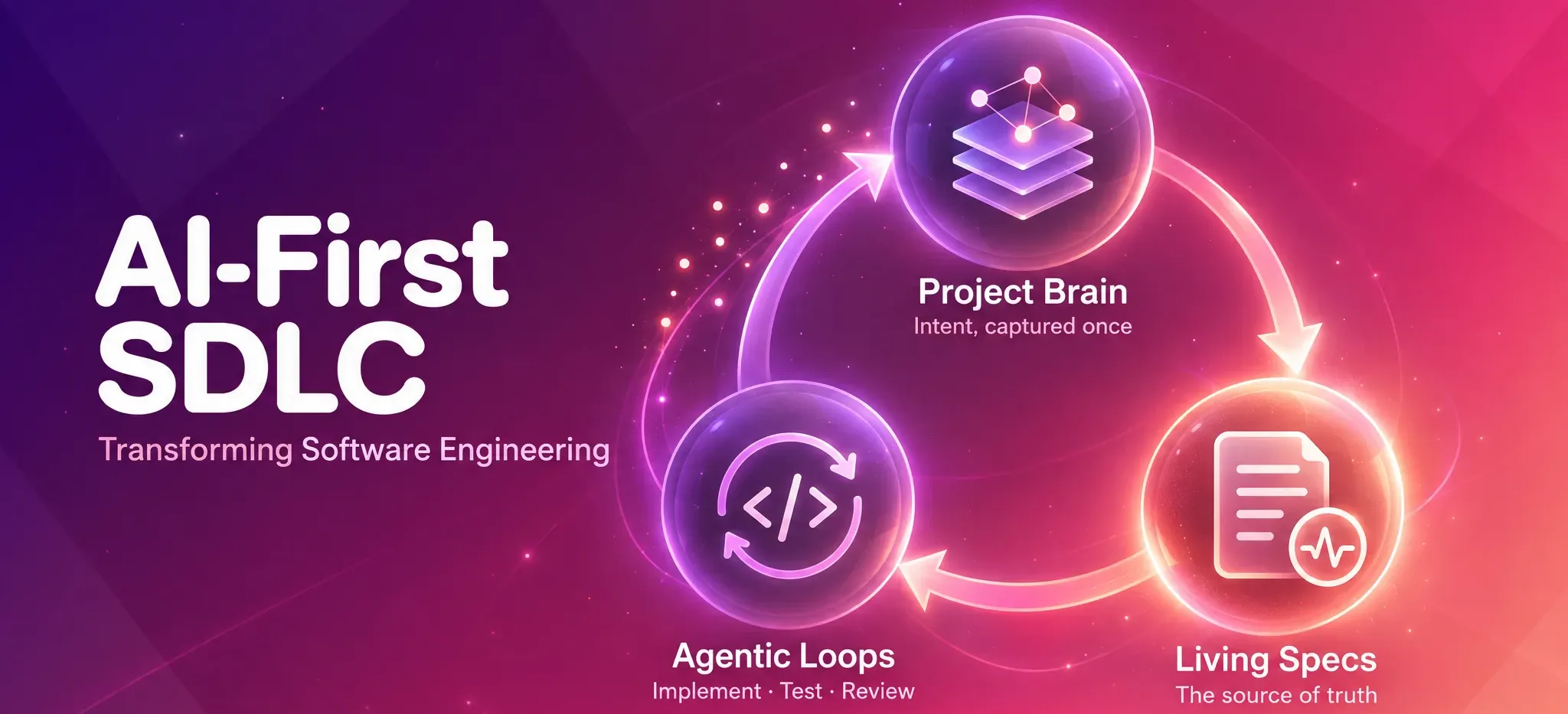
Software engineering stopped being about writing code. It became about managing context.
Read article
July 20, 2026
Every week I filter roughly 15 AI newsletters down to what matters for production teams.
Read article
July 13, 2026
This week had one theme: fracture. Three frontier labs shipped models in 72 hours.
Read article
July 7, 2026
Eighteen days without a frontier model is a long time when your production systems depend on it.
Read article
July 1, 2026
This was the week everyone stopped fighting over AI intelligence and started fighting over AI control.
Read article
June 22, 2026
This was the week the platforms stopped talking about AI and shipped infrastructure for it.
Read article
June 15, 2026
This week had one theme: the sovereignty fracture.
Read article